HTC Vive / mixed
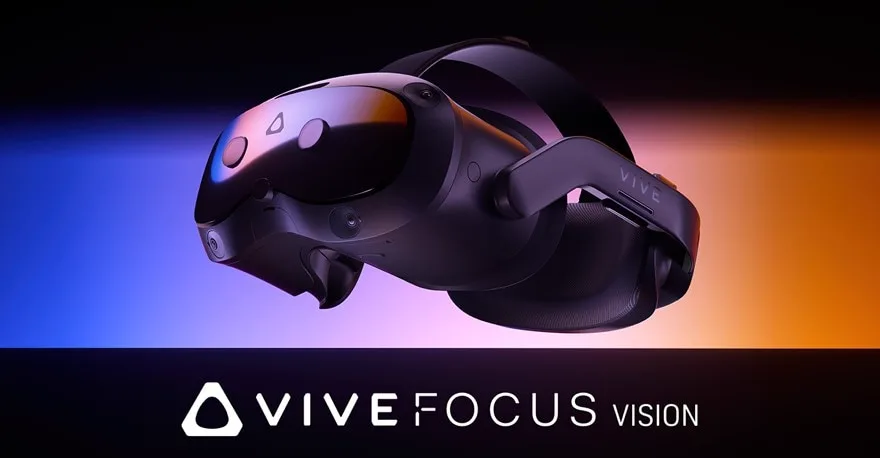
VIVE Focus Vision
80
TopVR score
$999
retail class
Head-to-head
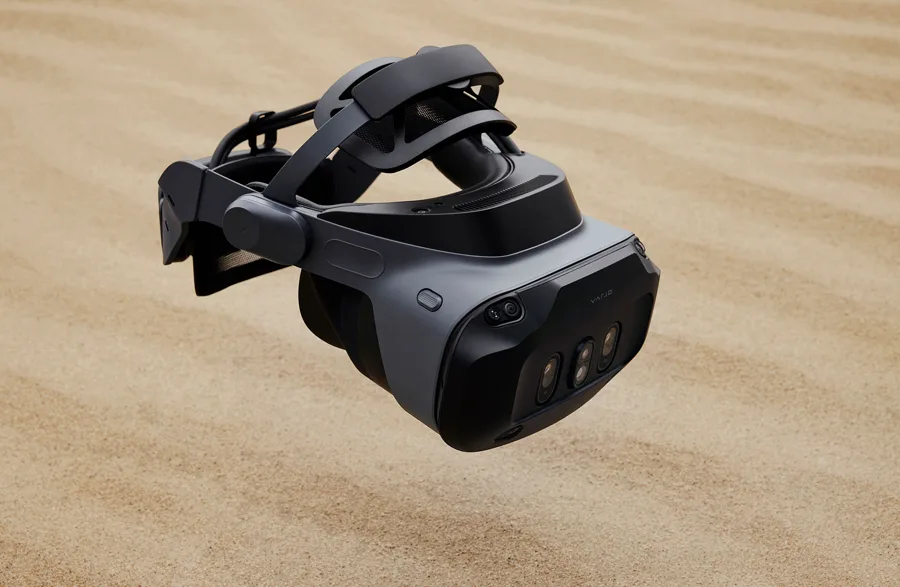
VIVE Focus Vision scores 80/100 while Varjo XR-4 scores 70/100. Compare specs, price, pros, cons, and platform tradeoffs.
80
TopVR score
$999
retail class
70
TopVR score
$3,990
retail class
Spec Table
HTC Vive
80
TopVR score
$999
retail class
Varjo
70
TopVR score
$3,990
retail class
| Spec | VIVE Focus Vision | Varjo XR-4 |
|---|---|---|
| Score | 80 /100 | 70 /100 |
| Resolution | 2448x2448 per eye | 3840x3744 per eye |
| Refresh Rate | 90 Hz | 90 Hz |
| Field of View | Up to 120 deg | 120 deg x 105 deg |
| Tracking | Inside-out 6DoF with eye and hand tracking | Inside-out or SteamVR tracking options with eye tracking |
| Battery | Up to 2 hours; hot-swappable rear battery | Wired PC XR headset |
| Weight | 785 g | 1021 g class |
| Platform | VIVE standalone / SteamVR PC | Varjo Base / PC XR |
VIVE Focus Vision is a serious hybrid headset for VRChat, PC VR, and enterprise-style mixed reality. It is too expensive for casual buyers, but eye tracking, DisplayPort support, and hot-swappable power make it useful for advanced setups.
As an Amazon Associate, TopVRNews earns from qualifying purchases. We may earn a commission when you buy through our links, without changing our editorial verdicts. Details
Buy on VIVE $999Varjo XR-4 is a professional XR system, not a mainstream buyer pick. It belongs in the ranking because serious simulation and enterprise shoppers compare it, but most consumers should ignore it.