HTC Vive / mixed
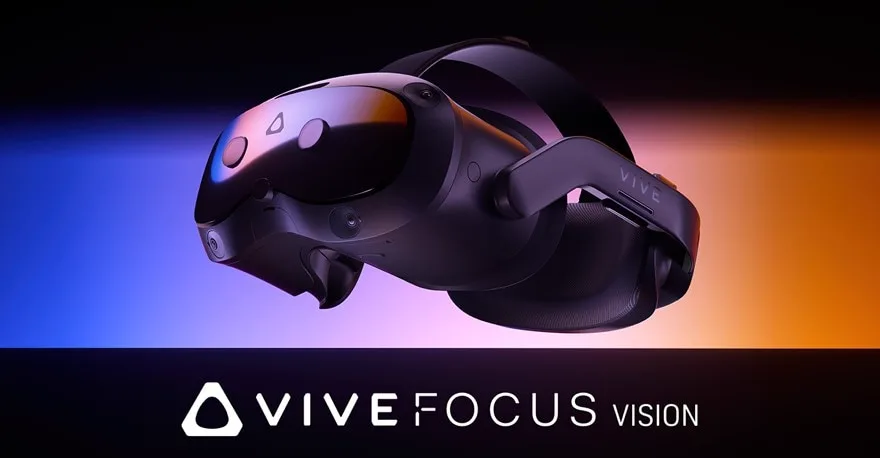
VIVE Focus Vision
80
TopVR score
$999
retail class
Head-to-head
VIVE Focus Vision scores 80/100 while Pimax Crystal Light scores 83/100. Compare specs, price, pros, cons, and platform tradeoffs.
80
TopVR score
$999
retail class
83
TopVR score
$899
retail class
Spec Table
HTC Vive
80
TopVR score
$999
retail class
Pimax
83
TopVR score
$899
retail class
| Spec | VIVE Focus Vision | Pimax Crystal Light |
|---|---|---|
| Score | 80 /100 | 83 /100 |
| Resolution | 2448x2448 per eye | 2880x2880 per eye |
| Refresh Rate | 90 Hz | 72 / 90 / 120 Hz |
| Field of View | Up to 120 deg | 105 deg horizontal |
| Tracking | Inside-out 6DoF with eye and hand tracking | Inside-out tracking; optional Lighthouse faceplate |
| Battery | Up to 2 hours; hot-swappable rear battery | Wired PC VR headset |
| Weight | 785 g | 815 g class |
| Platform | VIVE standalone / SteamVR PC | SteamVR PC |
VIVE Focus Vision is a serious hybrid headset for VRChat, PC VR, and enterprise-style mixed reality. It is too expensive for casual buyers, but eye tracking, DisplayPort support, and hot-swappable power make it useful for advanced setups.
As an Amazon Associate, TopVRNews earns from qualifying purchases. We may earn a commission when you buy through our links, without changing our editorial verdicts. Details
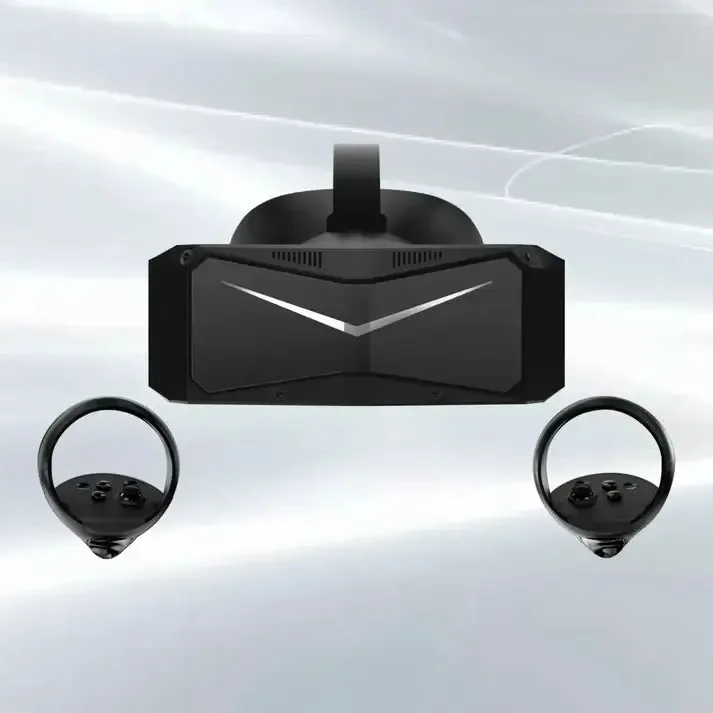
Buy on VIVE $999Pimax Crystal Light is one of the strongest value picks for sim racers and flight sim players chasing high resolution. It is less elegant than compact headsets, but its pixel count and price are hard to ignore.
As an Amazon Associate, TopVRNews earns from qualifying purchases. We may earn a commission when you buy through our links, without changing our editorial verdicts. Details
Buy on Pimax $899